ISO 11269-1:2012
ISO 11269-1:2012

ISO 11269-1:2012

March 2012
International standard Current

Soil quality - Determination of the effects of pollutants on soil flora - Part 1 : method for the measurement of inhibition of root growth

ISO 11269-1:2012 describes a method for the determination of the effects of contaminated soils or contaminated samples on the root elongation of terrestrial plants.This method is applicable to soils, soil materials, compost, sludge, waste or chemical testing. It is applicable to the comparison of soils of known and unknown quality and to the measurement of effects of materials (compost, sludge, waste) or chemicals deliberately added to the soil.The method is not intended to be used as a measure of the ability of the soil to support sustained plant growth.


View the extract
Main informations

Collections

International ISO standards

Publication date

March 2012

Number of pages

16 p.

Reference

ISO 11269-1:2012

ICS Codes

13.080.30   Biological properties of soils

Print number

1 - mars 2012
Sumary
Soil quality - Determination of the effects of pollutants on soil flora - Part 1 : method for the measurement of inhibition of root growth

ISO 11269-1:2012 describes a method for the determination of the effects of contaminated soils or contaminated samples on the root elongation of terrestrial plants.

This method is applicable to soils, soil materials, compost, sludge, waste or chemical testing. It is applicable to the comparison of soils of known and unknown quality and to the measurement of effects of materials (compost, sludge, waste) or chemicals deliberately added to the soil.

The method is not intended to be used as a measure of the ability of the soil to support sustained plant growth.
Replaced standards (1)
ISO 11269-1:1993
ISO 11269-1:1993
November 1993
International standard Cancelled
Soil quality. Determination of the effects of pollutans on soil flora. Part 1 : method for the measurement of inhibition of root growth.

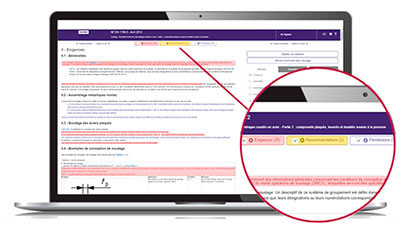
ZOOM ON ... the Requirements department

To comply with a standard, you need to quickly understand its issues in order to determine its impact on your activity.

The Requirements department helps you quickly locate within the normative text:

  • mandatory clauses to satisfy,
  • non-essential but useful clauses to know, such as permissions and recommendations.

The identification of these types of clauses is based on the document "ISO/IEC Directives, Part 2 - Principles and rules of structure and drafting of ISO documents" as well as on a constantly enriched list of verbal forms.

With Requirements, quickly access the main part of the normative text!


Need to identify, monitor and decipher standards?