

ISO 13078-3:2023
ISO 13078-3:2023

ISO 13078-3:2023

May 2023
International standard Current

Dentistry - Dental furnace - Part 3: Test method for the evaluation of high temperature sintering furnace measurement with a separate thermocouple

This document specifies a test method for the calibration of resistance-heated high temperature sintering furnaces that are suitable for the sintering of dental restorations in the temperature range up to 1 700 °C.NOTE       A test method for the calibration of dental furnaces that are suitable for the heat treatment of silica-based dental ceramic restorations in the temperature range between 600 °C and 1 050 °C is specified in ISO 13078:2013. ISO 13078:2013 does not include the calibration of sintering furnace used for sintering of oxide ceramics or sintered metal, in whose firing chamber restorations are sintered at temperatures of 1 000 °C to 1 700 °C.

View the extract
Main informations

Collections

International ISO standards

Publication date

May 2023

Number of pages

6 p.

Reference

ISO 13078-3:2023

ICS Codes

11.060.01   Dentistry in general

Print number

1
Sumary
Dentistry - Dental furnace - Part 3: Test method for the evaluation of high temperature sintering furnace measurement with a separate thermocouple

This document specifies a test method for the calibration of resistance-heated high temperature sintering furnaces that are suitable for the sintering of dental restorations in the temperature range up to 1 700 °C.

NOTE       A test method for the calibration of dental furnaces that are suitable for the heat treatment of silica-based dental ceramic restorations in the temperature range between 600 °C and 1 050 °C is specified in ISO 13078:2013. ISO 13078:2013 does not include the calibration of sintering furnace used for sintering of oxide ceramics or sintered metal, in whose firing chamber restorations are sintered at temperatures of 1 000 °C to 1 700 °C.

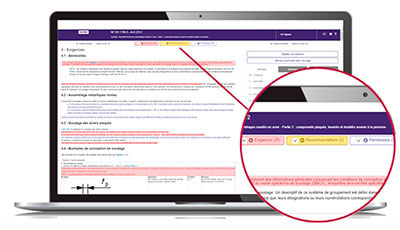
ZOOM ON ... the Requirements department

To comply with a standard, you need to quickly understand its issues in order to determine its impact on your activity.

The Requirements department helps you quickly locate within the normative text:

  • mandatory clauses to satisfy,
  • non-essential but useful clauses to know, such as permissions and recommendations.

The identification of these types of clauses is based on the document "ISO/IEC Directives, Part 2 - Principles and rules of structure and drafting of ISO documents" as well as on a constantly enriched list of verbal forms.

With Requirements, quickly access the main part of the normative text!


Need to identify, monitor and decipher standards?