

ISO 14780:2017
ISO 14780:2017

ISO 14780:2017

April 2017
International standard Current

Solid biofuels — Sample preparation

ISO 14780:2017 defines methods for reducing combined samples (or increments) to laboratory samples and laboratory samples to sub-samples and general analysis samples and is applicable to solid biofuels.The methods defined in this document can be used for sample preparation, for example, when the samples are to be tested for calorific value, moisture content, ash content, bulk density, durability, particle size distribution, ash melting behaviour, chemical composition, and impurities.

View the extract
Main informations

Collections

International ISO standards

Publication date

April 2017

Number of pages

24 p.

Reference

ISO 14780:2017

ICS Codes

27.190   Biological sources and alternative sources of energy
75.160.40   Biofuels

Print number

1
Sumary
Solid biofuels — Sample preparation

ISO 14780:2017 defines methods for reducing combined samples (or increments) to laboratory samples and laboratory samples to sub-samples and general analysis samples and is applicable to solid biofuels.

The methods defined in this document can be used for sample preparation, for example, when the samples are to be tested for calorific value, moisture content, ash content, bulk density, durability, particle size distribution, ash melting behaviour, chemical composition, and impurities.

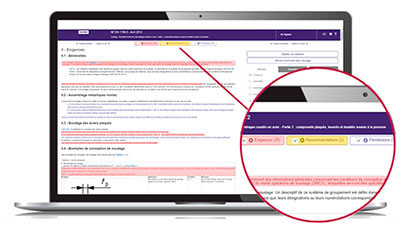
ZOOM ON ... the Requirements department

To comply with a standard, you need to quickly understand its issues in order to determine its impact on your activity.

The Requirements department helps you quickly locate within the normative text:

  • mandatory clauses to satisfy,
  • non-essential but useful clauses to know, such as permissions and recommendations.

The identification of these types of clauses is based on the document "ISO/IEC Directives, Part 2 - Principles and rules of structure and drafting of ISO documents" as well as on a constantly enriched list of verbal forms.

With Requirements, quickly access the main part of the normative text!


Need to identify, monitor and decipher standards?