

ISO 14934-2:2013
ISO 14934-2:2013

ISO 14934-2:2013

March 2013
International standard Current

Fire tests - Calibration and use of heat flux meters - Part 2 : primary calibration methods

ISO 14934-2:2013 describes three methods for calibration of total hemispherical radiometers and total heat flux meters that are exposed to a well-defined radiation from a radiant heat source. The equipment is designed to minimize influences due to convective heat transfer during calibration. It is important to note that when the instruments are used in practice they measure a combination of radiant and convective heat transfers. The latter will depend on the design of the heat flux meter, the orientation, local temperature and flow conditions, and on the temperature of the cooling water.

View the extract
Main informations

Collections

International ISO standards

Publication date

March 2013

Number of pages

46 p.

Reference

ISO 14934-2:2013

ICS Codes

13.220.40   Ignitability and burning behaviour of materials and products
13.220.50   Fire-resistance of building materials and elements

Print number

1 - mars 2013
Sumary
Fire tests - Calibration and use of heat flux meters - Part 2 : primary calibration methods

ISO 14934-2:2013 describes three methods for calibration of total hemispherical radiometers and total heat flux meters that are exposed to a well-defined radiation from a radiant heat source. The equipment is designed to minimize influences due to convective heat transfer during calibration. It is important to note that when the instruments are used in practice they measure a combination of radiant and convective heat transfers. The latter will depend on the design of the heat flux meter, the orientation, local temperature and flow conditions, and on the temperature of the cooling water.

Replaced standards (1)
ISO 14934-2:2006
ISO 14934-2:2006
February 2006
International standard Cancelled
Fire tests - Calibration and use of heat flux meters - Part 2 : primary calibration methods

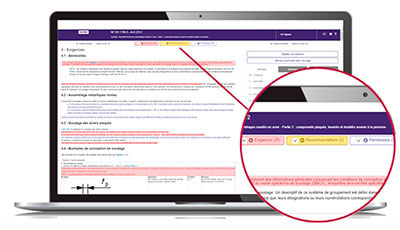
ZOOM ON ... the Requirements department

To comply with a standard, you need to quickly understand its issues in order to determine its impact on your activity.

The Requirements department helps you quickly locate within the normative text:

  • mandatory clauses to satisfy,
  • non-essential but useful clauses to know, such as permissions and recommendations.

The identification of these types of clauses is based on the document "ISO/IEC Directives, Part 2 - Principles and rules of structure and drafting of ISO documents" as well as on a constantly enriched list of verbal forms.

With Requirements, quickly access the main part of the normative text!


Need to identify, monitor and decipher standards?