ISO 1520:2006
ISO 1520:2006

ISO 1520:2006

November 2006
International standard Current

Paints and varnishes — Cupping test

ISO 1520:2006 specifies an empirical test procedure for assessing the resistance of a coating of paint, varnish or related product to cracking and/or detachment from a metal substrate when subjected to gradual deformation by indentation under standard conditions.For a multi-coat system, each coat may be tested separately or the complete system may be tested.The method may be carried out as follows:either as a 'pass/fail' test, by testing to a specified depth of indentation to assess compliance with a particular requirement;or by gradually increasing the depth of indentation to determine the minimum depth at which the coating cracks and/or becomes detached from the substrate.

View the extract
Main informations

Collections

International ISO standards

Publication date

November 2006

Number of pages

6 p.

Reference

ISO 1520:2006

ICS Codes

87.040   Paints and varnishes

Print number

3
Sumary
Paints and varnishes — Cupping test

ISO 1520:2006 specifies an empirical test procedure for assessing the resistance of a coating of paint, varnish or related product to cracking and/or detachment from a metal substrate when subjected to gradual deformation by indentation under standard conditions.

For a multi-coat system, each coat may be tested separately or the complete system may be tested.

The method may be carried out as follows:

  • either as a 'pass/fail' test, by testing to a specified depth of indentation to assess compliance with a particular requirement;
  • or by gradually increasing the depth of indentation to determine the minimum depth at which the coating cracks and/or becomes detached from the substrate.
Replaced standards (1)
ISO 1520:1999
ISO 1520:1999
February 1999
International standard Cancelled
Paints and varnishes. Cupping test.

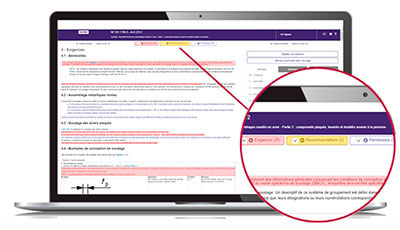
ZOOM ON ... the Requirements department

To comply with a standard, you need to quickly understand its issues in order to determine its impact on your activity.

The Requirements department helps you quickly locate within the normative text:

  • mandatory clauses to satisfy,
  • non-essential but useful clauses to know, such as permissions and recommendations.

The identification of these types of clauses is based on the document "ISO/IEC Directives, Part 2 - Principles and rules of structure and drafting of ISO documents" as well as on a constantly enriched list of verbal forms.

With Requirements, quickly access the main part of the normative text!

Need to identify, monitor and decipher standards?