ISO 17095:2013
ISO 17095:2013

ISO 17095:2013

August 2013
International standard Current

Fine ceramics (advanced ceramics, advanced technical ceramics) - Test method for interfacial bond strength of ceramic materials at elevated temperatures

ISO 17095:2013 specifies the method of test for determining the interfacial tensile and shear bond strength of ceramic-ceramic, ceramic-metal, and ceramic-glass joining at elevated temperature by the compression tests on the cross-bonded test pieces. Methods for test piece preparation, test modes and rates (load rate or displacement rate), data collection, and reporting procedures are addressed.ISO 17095:2013 applies primarily to the ceramic materials, including monolithic fine ceramics and whisker-, fibre- or particulate-reinforced ceramic composites.


View the extract
Main informations

Collections

International ISO standards

Publication date

August 2013

Number of pages

13 p.

Reference

ISO 17095:2013

ICS Codes

81.060.30   Advanced ceramics

Print number

1 - août 2013
Sumary
Fine ceramics (advanced ceramics, advanced technical ceramics) - Test method for interfacial bond strength of ceramic materials at elevated temperatures

ISO 17095:2013 specifies the method of test for determining the interfacial tensile and shear bond strength of ceramic-ceramic, ceramic-metal, and ceramic-glass joining at elevated temperature by the compression tests on the cross-bonded test pieces. Methods for test piece preparation, test modes and rates (load rate or displacement rate), data collection, and reporting procedures are addressed.

ISO 17095:2013 applies primarily to the ceramic materials, including monolithic fine ceramics and whisker-, fibre- or particulate-reinforced ceramic composites.
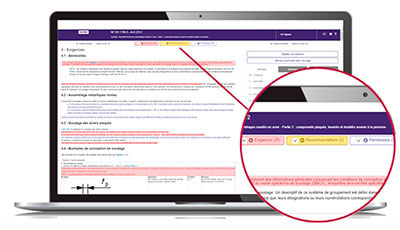
ZOOM ON ... the Requirements department

To comply with a standard, you need to quickly understand its issues in order to determine its impact on your activity.

The Requirements department helps you quickly locate within the normative text:

  • mandatory clauses to satisfy,
  • non-essential but useful clauses to know, such as permissions and recommendations.

The identification of these types of clauses is based on the document "ISO/IEC Directives, Part 2 - Principles and rules of structure and drafting of ISO documents" as well as on a constantly enriched list of verbal forms.

With Requirements, quickly access the main part of the normative text!


Need to identify, monitor and decipher standards?