ISO 17700:2019
ISO 17700:2019

ISO 17700:2019

July 2019
International standard Current

Footwear - Test methods for upper components and insocks - Colour fastness to rubbing and bleeding

This document specifies three test methods (method A, method B and method C) for assessing the degree of transfer of a material's surface colour during dry or wet rubbing and a method (method D) for determining the likelihood of colour bleeding. The methods are applicable to all footwear uppers, linings and insocks, irrespective of the material. Method D is also applicable to sewing threads and shoelaces.The methods are:— method A: to-and-fro square rubbing finger fastness testing machine;— method B: rotative rub fastness testing machine;— method C: to-and-fro circular rubbing finger fastness testing machine;— method D: colour fastness to bleeding.

View the extract
Main informations

Collections

International ISO standards

Publication date

July 2019

Number of pages

16 p.

Reference

ISO 17700:2019

ICS Codes

61.060   Footwear

Print number

1
Sumary
Footwear - Test methods for upper components and insocks - Colour fastness to rubbing and bleeding

This document specifies three test methods (method A, method B and method C) for assessing the degree of transfer of a material's surface colour during dry or wet rubbing and a method (method D) for determining the likelihood of colour bleeding.

The methods are applicable to all footwear uppers, linings and insocks, irrespective of the material. Method D is also applicable to sewing threads and shoelaces.

The methods are:

— method A: to-and-fro square rubbing finger fastness testing machine;

— method B: rotative rub fastness testing machine;

— method C: to-and-fro circular rubbing finger fastness testing machine;

— method D: colour fastness to bleeding.

Replaced standards (1)
ISO 17700:2004
ISO 17700:2004
October 2004
International standard Cancelled
Footwear - Test methods for uppers, linings and insocks - Colour fastness to rubbing

ISO 17700:2004 specifies two test methods for assessing the degree of damage (marring) and transfer of a material's surface colour during mild dry or wet abrasion. The methods are applicable to all footwear uppers, linings and insocks irrespective of the material, in order to assess suitability for end use. ISO 17700:2004 also specifies a method for determining the likelihood of colour bleeding from materials and components such as sewing threads and shoe laces due to the action of water and artificial perspiration solutions, in order to assess suitability for end use.

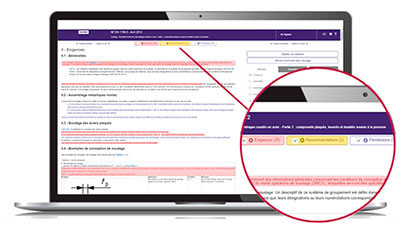
ZOOM ON ... the Requirements department

To comply with a standard, you need to quickly understand its issues in order to determine its impact on your activity.

The Requirements department helps you quickly locate within the normative text:

  • mandatory clauses to satisfy,
  • non-essential but useful clauses to know, such as permissions and recommendations.

The identification of these types of clauses is based on the document "ISO/IEC Directives, Part 2 - Principles and rules of structure and drafting of ISO documents" as well as on a constantly enriched list of verbal forms.

With Requirements, quickly access the main part of the normative text!


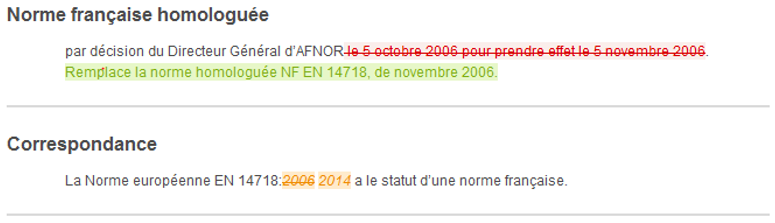
What is the Redline format?
Need to identify, monitor and decipher standards?