

ISO 18164:2005
ISO 18164:2005

ISO 18164:2005

July 2005
International standard Current

Passenger car, truck and bus, and motorcycle tyres - Methods of measuring rolling resistance

ISO 18164:2005 specifies methods for measuring rolling resistance, under controlled laboratory conditions, for new pneumatic tyres designed primarily for use on passenger cars, trucks, buses and motorcycles. The relationship between values obtained and the fuel economy of the vehicle is undetermined, and such values are not intended to be used to indicate levels of performance or quality.ISO 18164:2005 applies to all passenger car, truck, bus and motorcycle tyres.

View the extract
Main informations

Collections

International ISO standards

Publication date

July 2005

Number of pages

22 p.

Reference

ISO 18164:2005

ICS Codes

83.160.10   Road vehicle tyres

Print number

1 - juillet 2005
Sumary
Passenger car, truck and bus, and motorcycle tyres - Methods of measuring rolling resistance

ISO 18164:2005 specifies methods for measuring rolling resistance, under controlled laboratory conditions, for new pneumatic tyres designed primarily for use on passenger cars, trucks, buses and motorcycles. The relationship between values obtained and the fuel economy of the vehicle is undetermined, and such values are not intended to be used to indicate levels of performance or quality.

ISO 18164:2005 applies to all passenger car, truck, bus and motorcycle tyres.

Replaced standards (3)
ISO 8767:1992
ISO 8767:1992
August 1992
International standard Cancelled
Passenger car types. Methods of measuring rolling resistance.

ISO 9948:1992
ISO 9948:1992
November 1992
International standard Cancelled
Truck and bus tyres. Methods of measuring rolling resistance.

ISO 13327:1998
ISO 13327:1998
September 1998
International standard Cancelled
Motorcycle tyres. Method of measuring rolling resistance.

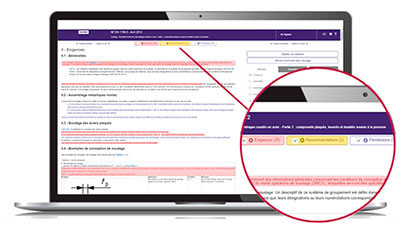
ZOOM ON ... the Requirements department

To comply with a standard, you need to quickly understand its issues in order to determine its impact on your activity.

The Requirements department helps you quickly locate within the normative text:

  • mandatory clauses to satisfy,
  • non-essential but useful clauses to know, such as permissions and recommendations.

The identification of these types of clauses is based on the document "ISO/IEC Directives, Part 2 - Principles and rules of structure and drafting of ISO documents" as well as on a constantly enriched list of verbal forms.

With Requirements, quickly access the main part of the normative text!


Need to identify, monitor and decipher standards?