

ISO 1823:2015
ISO 1823:2015

ISO 1823:2015

February 2015
International standard Current

Rubber hose and hose assemblies for oil suction and discharge service — Specification

ISO 1823:2015 specifies the characteristics of four types of oil suction and discharge hose assemblies used for the conveyance of petroleum, including crude oils and other liquid petroleum products. Each type being divided into three classes depend on the aromatic contents. It is not suitable for liquefied petroleum gas and natural gas.Hose assemblies to ISO 1823:2015 can be used in the temperature range −20 °C to 80 °C.The hoses specified are in the range of nominal size 50 to 500 and can be types of smooth bore, rough bore, armoured rough bore, and light weight.

View the extract
Main informations

Collections

International ISO standards

Publication date

February 2015

Number of pages

22 p.

Reference

ISO 1823:2015

ICS Codes

75.200   Petroleum products and natural gas handling equipment
83.140.40   Hoses

Print number

2
Sumary
Rubber hose and hose assemblies for oil suction and discharge service — Specification

ISO 1823:2015 specifies the characteristics of four types of oil suction and discharge hose assemblies used for the conveyance of petroleum, including crude oils and other liquid petroleum products. Each type being divided into three classes depend on the aromatic contents. It is not suitable for liquefied petroleum gas and natural gas.

Hose assemblies to ISO 1823:2015 can be used in the temperature range −20 °C to 80 °C.

The hoses specified are in the range of nominal size 50 to 500 and can be types of smooth bore, rough bore, armoured rough bore, and light weight.

Replaced standards (2)
ISO 1823-1:1997
ISO 1823-1:1997
August 1997
International standard Cancelled
Rubber hoses and hose assemblies - Part 1 : on-shore oil suction and discharge - Specification

ISO 1823-2:1997
ISO 1823-2:1997
August 1997
International standard Cancelled
Rubber hoses and hose assemblies - Part 2 : ship/dockside discharge - Specification

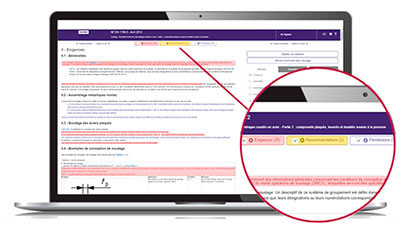
ZOOM ON ... the Requirements department

To comply with a standard, you need to quickly understand its issues in order to determine its impact on your activity.

The Requirements department helps you quickly locate within the normative text:

  • mandatory clauses to satisfy,
  • non-essential but useful clauses to know, such as permissions and recommendations.

The identification of these types of clauses is based on the document "ISO/IEC Directives, Part 2 - Principles and rules of structure and drafting of ISO documents" as well as on a constantly enriched list of verbal forms.

With Requirements, quickly access the main part of the normative text!


Need to identify, monitor and decipher standards?