

ISO 1833-24:2010
ISO 1833-24:2010

ISO 1833-24:2010

April 2010
International standard Current

Textiles — Quantitative chemical analysis — Part 24: Mixtures of polyester and certain other fibres (method using phenol and tetrachloroethane)

ISO 1833-24:2010 specifies a method using phenol and tetrachloroethane to determine the percentage of polyester after removal of non-fibrous matter, in textiles made of binary mixtures of certain polyester fibres with acrylic, polypropylene or aramid fibres.This method is not applicable to coated fabrics.

View the extract
Main informations

Collections

International ISO standards

Publication date

April 2010

Number of pages

3 p.

Reference

ISO 1833-24:2010

ICS Codes

59.060.01   Textile fibres in general

Print number

1
Sumary
Textiles — Quantitative chemical analysis — Part 24: Mixtures of polyester and certain other fibres (method using phenol and tetrachloroethane)

ISO 1833-24:2010 specifies a method using phenol and tetrachloroethane to determine the percentage of polyester after removal of non-fibrous matter, in textiles made of binary mixtures of certain polyester fibres with acrylic, polypropylene or aramid fibres.

This method is not applicable to coated fabrics.

Replaced standards (2)
ISO 1833:1977
ISO 1833:1977
December 1977
International standard Cancelled
Textiles -- Binary fibre mixtures -- Quantitative chemical analysis

ISO 1833/A1:1980
ISO 1833/A1:1980
September 1980
International standard Cancelled
Amendement 1 à ISO 1833 de 1977.

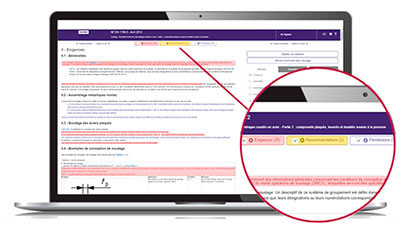
ZOOM ON ... the Requirements department

To comply with a standard, you need to quickly understand its issues in order to determine its impact on your activity.

The Requirements department helps you quickly locate within the normative text:

  • mandatory clauses to satisfy,
  • non-essential but useful clauses to know, such as permissions and recommendations.

The identification of these types of clauses is based on the document "ISO/IEC Directives, Part 2 - Principles and rules of structure and drafting of ISO documents" as well as on a constantly enriched list of verbal forms.

With Requirements, quickly access the main part of the normative text!


Need to identify, monitor and decipher standards?