ISO 19227:2018
ISO 19227:2018

ISO 19227:2018

March 2018
International standard Current

Implants for surgery - Cleanliness of orthopedic implants - General requirements

ISO 19227:2018 specifies requirements for the cleanliness of orthopaedic implants, hereafter referred to as implants, and test methods for the cleaning process validation and controls, which are based on a risk management process.ISO 19227:2018 does not specify requirements for packaging or sterilization which are covered by other International Standards.ISO 19227:2018 applies to in-process cleaning and final cleaning.ISO 19227:2018 does not apply to liquid or gaseous implants.ISO 19227:2018 does not apply to cleaning processes performed by the user or under the responsibility of the user.

View the extract
Main informations

Collections

International ISO standards

Publication date

March 2018

Number of pages

17 p.

Reference

ISO 19227:2018

ICS Codes

11.040.40   Implants for surgery, prosthetics and orthotics

Print number

1
Sumary
Implants for surgery - Cleanliness of orthopedic implants - General requirements

ISO 19227:2018 specifies requirements for the cleanliness of orthopaedic implants, hereafter referred to as implants, and test methods for the cleaning process validation and controls, which are based on a risk management process.

ISO 19227:2018 does not specify requirements for packaging or sterilization which are covered by other International Standards.

ISO 19227:2018 applies to in-process cleaning and final cleaning.

ISO 19227:2018 does not apply to liquid or gaseous implants.

ISO 19227:2018 does not apply to cleaning processes performed by the user or under the responsibility of the user.
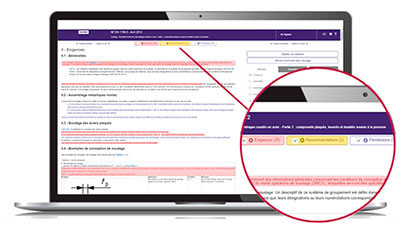
ZOOM ON ... the Requirements department

To comply with a standard, you need to quickly understand its issues in order to determine its impact on your activity.

The Requirements department helps you quickly locate within the normative text:

  • mandatory clauses to satisfy,
  • non-essential but useful clauses to know, such as permissions and recommendations.

The identification of these types of clauses is based on the document "ISO/IEC Directives, Part 2 - Principles and rules of structure and drafting of ISO documents" as well as on a constantly enriched list of verbal forms.

With Requirements, quickly access the main part of the normative text!


Need to identify, monitor and decipher standards?