
ISO 19403-6:2024
ISO 19403-6:2024

ISO 19403-6:2024

October 2024
International standard Current

Paints and varnishes - Wettability - Part 6: Measurement of dynamic advancing and receding angle by changing the volume of a drop

This document specifies a method to measure the dynamic contact angle with an optical method. The dynamic advancing and the dynamic receding contact angles are determined.By using the measurement specified in this document, the wetting and dewetting properties can be characterized. The morphological and chemical homogeneity of interfaces can also be determined.

View the extract
Main informations

Collections

International ISO standards

Publication date

October 2024

Number of pages

11 p.

Reference

ISO 19403-6:2024

ICS Codes

87.040   Paints and varnishes

Print number

1
Sumary
Paints and varnishes - Wettability - Part 6: Measurement of dynamic advancing and receding angle by changing the volume of a drop

This document specifies a method to measure the dynamic contact angle with an optical method. The dynamic advancing and the dynamic receding contact angles are determined.

By using the measurement specified in this document, the wetting and dewetting properties can be characterized. The morphological and chemical homogeneity of interfaces can also be determined.

Replaced standards (1)
ISO 19403-6:2017
ISO 19403-6:2017
June 2017
International standard Cancelled
Paints and varnishes - Wettability - Part 6 : measurement of dynamic contact angle

ISO 19403-6:2017 specifies a method to measure the dynamic contact angle with an optical method. The advancing and the receding angles are determined. By means of this defined measurement, the wetting and dewetting properties can be characterized. It can also be concluded on the morphological and chemical homogeneity of interfaces.

ZOOM ON ... the Requirements department

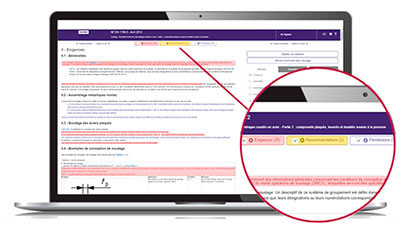
To comply with a standard, you need to quickly understand its issues in order to determine its impact on your activity.

The Requirements department helps you quickly locate within the normative text:

  • mandatory clauses to satisfy,
  • non-essential but useful clauses to know, such as permissions and recommendations.

The identification of these types of clauses is based on the document "ISO/IEC Directives, Part 2 - Principles and rules of structure and drafting of ISO documents" as well as on a constantly enriched list of verbal forms.

With Requirements, quickly access the main part of the normative text!


What is the Redline format?
Need to identify, monitor and decipher standards?