ISO 247-1:2026
ISO 247-1:2026

ISO 247-1:2026

August 2026
International standard Current

Rubber — Determination of ash — Part 1: Combustion method

This document specifies three methods for the determination of ash from raw rubbers, compounded rubbers and vulcanizates. The methods are applicable to raw, compounded or vulcanized rubbers of the M, N, O, R and U families described in ISO 1629 [1], except that:Method A is not used for the determination of ash from compounded or vulcanized rubbers containing chlorine, bromine or iodine;Method B is used for compounded or vulcanized rubbers containing chlorine, bromine or iodine. It is not applicable to uncompounded rubbers;Method C is intended to be used for the determination of ash from raw, compounded or vulcanized rubber not containing chlorine, bromine or iodine by wrapping the test portion in ashless filter paper;lithium and fluorine compounds can react with silica crucibles to form volatile compounds, giving low ash results.This document does not cover the interpretation of the ash results as to the inorganic chemical content of a compound or vulcanizate, which is the responsibility of the analyst, who must be aware of the behaviour of rubber additives at elevated temperatures.


View the extract
Main informations

Collections

International ISO standards

Publication date

August 2026

Number of pages

6 p.

Reference

ISO 247-1:2026

ICS Codes

83.060   Rubber

Print number

2
Sumary
Rubber — Determination of ash — Part 1: Combustion method

This document specifies three methods for the determination of ash from raw rubbers, compounded rubbers and vulcanizates. The methods are applicable to raw, compounded or vulcanized rubbers of the M, N, O, R and U families described in ISO 1629 [1], except that:

  • Method A is not used for the determination of ash from compounded or vulcanized rubbers containing chlorine, bromine or iodine;
  • Method B is used for compounded or vulcanized rubbers containing chlorine, bromine or iodine. It is not applicable to uncompounded rubbers;
  • Method C is intended to be used for the determination of ash from raw, compounded or vulcanized rubber not containing chlorine, bromine or iodine by wrapping the test portion in ashless filter paper;
  • lithium and fluorine compounds can react with silica crucibles to form volatile compounds, giving low ash results.

This document does not cover the interpretation of the ash results as to the inorganic chemical content of a compound or vulcanizate, which is the responsibility of the analyst, who must be aware of the behaviour of rubber additives at elevated temperatures.
Replaced standards (1)
ISO 247-1:2018
ISO 247-1:2018
July 2018
International standard Current
Rubber — Determination of ash — Part 1: Combustion method

This document specifies three methods for the determination of ash from raw rubbers, compounded rubbers and vulcanizates. The methods are applicable to raw, compounded or vulcanized rubbers of the M, N, O, R and U families described in ISO 1629, except that: — Method A is not used for the determination of ash from compounded or vulcanized rubbers containing chlorine, bromine or iodine; — Method B is used for compounded or vulcanized rubbers containing chlorine, bromine or iodine. It shall not be used for uncompounded rubbers; — Method C is intended to be used for the determination of ash from raw, compounded or vulcanized rubber not containing chlorine, bromine or iodine by wrapping the test portion in ashless filter paper; — Lithium and fluorine compounds might react with silica crucibles to form volatile compounds, giving low ash results. Platinum crucibles shall therefore be used for ashing fluorine-containing and lithium-polymerized rubbers. This document does not cover the interpretation of the ash results as to the inorganic chemical content of a compound or vulcanizate. This is the responsibility of the analyst, who has to be aware of the behaviour of rubber additives at elevated temperatures.
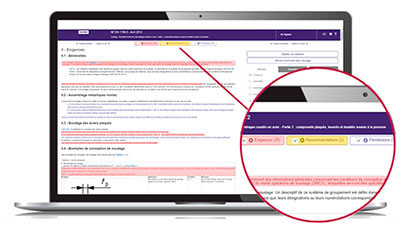
ZOOM ON ... the Requirements department

To comply with a standard, you need to quickly understand its issues in order to determine its impact on your activity.

The Requirements department helps you quickly locate within the normative text:

  • mandatory clauses to satisfy,
  • non-essential but useful clauses to know, such as permissions and recommendations.

The identification of these types of clauses is based on the document "ISO/IEC Directives, Part 2 - Principles and rules of structure and drafting of ISO documents" as well as on a constantly enriched list of verbal forms.

With Requirements, quickly access the main part of the normative text!


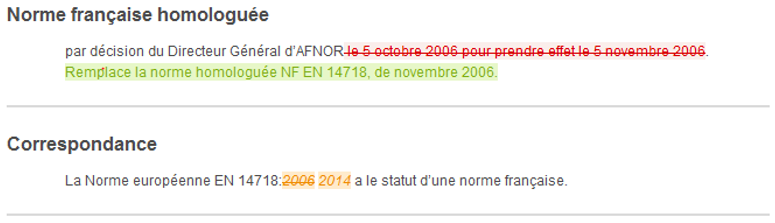
What is the Redline format?
Need to identify, monitor and decipher standards?