ISO 2878:2017
ISO 2878:2017

ISO 2878:2017

June 2017
International standard Current

Rubber, vulcanized or thermoplastic - Antistatic and conductive products - Determination of electrical resistance

ISO 2878:2017 specifies a method of test to determine the electrical resistance of antistatic and conductive products manufactured wholly or in part from rubber whose electrical resistance measured between defined points, when new, does not exceed 3 × 10⁸ Ω and whose conductivity is derived from the addition of carbon black and/or other appropriate substances to the bulk of the material.NOTE Highly conductive mixes cannot be made in this way.ISO 2878:2017 specifies the electrode configuration for basic geometries, but it is intended that reference be made to relevant product specifications for requirements for specific products.It does not apply to:a) products the relevant surfaces of which are composed of mixtures of insulating and conductive areas;b) products with a substantial surface area of insulating material, except for footwear (which does not normally have a conductive or antistatic upper).


View the extract
Main informations

Collections

International ISO standards

Publication date

June 2017

Number of pages

9 p.

Reference

ISO 2878:2017

ICS Codes

83.060   Rubber

Print number

1
Sumary
Rubber, vulcanized or thermoplastic - Antistatic and conductive products - Determination of electrical resistance

ISO 2878:2017 specifies a method of test to determine the electrical resistance of antistatic and conductive products manufactured wholly or in part from rubber whose electrical resistance measured between defined points, when new, does not exceed 3 × 10⁸ Ω and whose conductivity is derived from the addition of carbon black and/or other appropriate substances to the bulk of the material.

NOTE Highly conductive mixes cannot be made in this way.

ISO 2878:2017 specifies the electrode configuration for basic geometries, but it is intended that reference be made to relevant product specifications for requirements for specific products.

It does not apply to:

a) products the relevant surfaces of which are composed of mixtures of insulating and conductive areas;

b) products with a substantial surface area of insulating material, except for footwear (which does not normally have a conductive or antistatic upper).
Replaced standards (1)
ISO 2878:2011
ISO 2878:2011
September 2011
International standard Cancelled
Rubber, vulcanized or thermoplastic - Antistatic and conductive products - Determination of electrical resistance

ISO 2878:2011 specifies a method of test to determine the electrical resistance of antistatic and conductive products manufactured wholly or in part from rubber whose electrical resistance measured between defined points, when new, does not exceed 3 x 10⁸ ohms and whose conductivity is derived from the addition of carbon black and/or other appropriate substances to the bulk of the material. It specifies the electrode configuration for basic geometries, but reference should be made to relevant product specifications for requirements for specific products. It does not apply to: products the relevant surfaces of which are composed of mixtures of insulating and conductive areas; products with a substantial surface area of insulating material, except for footwear (which does not normally have a conductive or antistatic upper).
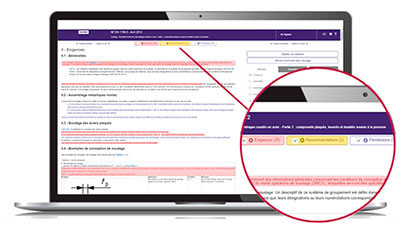
ZOOM ON ... the Requirements department

To comply with a standard, you need to quickly understand its issues in order to determine its impact on your activity.

The Requirements department helps you quickly locate within the normative text:

  • mandatory clauses to satisfy,
  • non-essential but useful clauses to know, such as permissions and recommendations.

The identification of these types of clauses is based on the document "ISO/IEC Directives, Part 2 - Principles and rules of structure and drafting of ISO documents" as well as on a constantly enriched list of verbal forms.

With Requirements, quickly access the main part of the normative text!


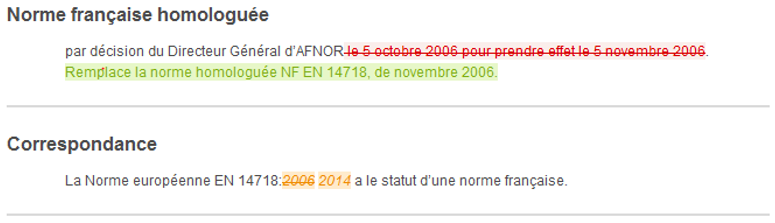
What is the Redline format?
Need to identify, monitor and decipher standards?