

ISO 8573-7:2003
ISO 8573-7:2003

ISO 8573-7:2003

May 2003
International standard Current

Compressed air - Part 7 : test method for viable microbiological contaminant content

ISO 8573-7:2003 specifies a test method for distinguishing viable, colony-forming, microbiological organisms (e.g. yeast, bacteria, endotoxins) from other solid particles which may be present in compressed air. One of a series of standards aimed at harmonizing air contamination measurements, it provides a means of sampling, incubating and determining the number of microbiological particles. The test method is suitable for determining purity classes in accordance with ISO 8573-1, and is intended to be used in conjunction with ISO 8573-4 when there is need to identify solid particles that are also viable, colony-forming units.

View the extract
Main informations

Collections

International ISO standards

Publication date

May 2003

Number of pages

9 p.

Reference

ISO 8573-7:2003

ICS Codes

71.100.20   Gases for industrial application

Print number

1 - juillet 2003
Sumary
Compressed air - Part 7 : test method for viable microbiological contaminant content

ISO 8573-7:2003 specifies a test method for distinguishing viable, colony-forming, microbiological organisms (e.g. yeast, bacteria, endotoxins) from other solid particles which may be present in compressed air. One of a series of standards aimed at harmonizing air contamination measurements, it provides a means of sampling, incubating and determining the number of microbiological particles. The test method is suitable for determining purity classes in accordance with ISO 8573-1, and is intended to be used in conjunction with ISO 8573-4 when there is need to identify solid particles that are also viable, colony-forming units.

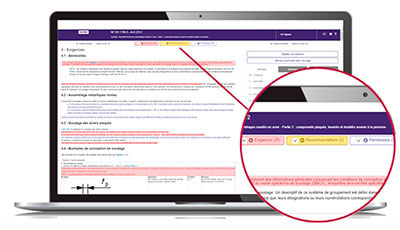
ZOOM ON ... the Requirements department

To comply with a standard, you need to quickly understand its issues in order to determine its impact on your activity.

The Requirements department helps you quickly locate within the normative text:

  • mandatory clauses to satisfy,
  • non-essential but useful clauses to know, such as permissions and recommendations.

The identification of these types of clauses is based on the document "ISO/IEC Directives, Part 2 - Principles and rules of structure and drafting of ISO documents" as well as on a constantly enriched list of verbal forms.

With Requirements, quickly access the main part of the normative text!


Need to identify, monitor and decipher standards?