ISO 9022-8:2015
ISO 9022-8:2015

ISO 9022-8:2015

February 2015
International standard Current

Optics and photonics — Environmental test methods — Part 8: High internal pressure, low internal pressure, immersion

ISO 9022-8:2015 specifies the methods relating to the environmental tests of optical instruments including additional assemblies from other fields (e.g. mechanical, chemical, and electronic devices), under equivalent conditions, for their ability to resist the influence of high pressure, low pressure, or immersion.The purpose of testing is to investigate to what extent the optical, climatic, mechanical, chemical, and electrical performance characteristics of the specimen are affected by high pressure, low pressure, or immersion.


View the extract
Main informations

Collections

International ISO standards

Publication date

February 2015

Number of pages

6 p.

Reference

ISO 9022-8:2015

ICS Codes

37.020   Optical equipment

Print number

2
Sumary
Optics and photonics — Environmental test methods — Part 8: High internal pressure, low internal pressure, immersion

ISO 9022-8:2015 specifies the methods relating to the environmental tests of optical instruments including additional assemblies from other fields (e.g. mechanical, chemical, and electronic devices), under equivalent conditions, for their ability to resist the influence of high pressure, low pressure, or immersion.

The purpose of testing is to investigate to what extent the optical, climatic, mechanical, chemical, and electrical performance characteristics of the specimen are affected by high pressure, low pressure, or immersion.
Replaced standards (1)
ISO 9022-8:1994
ISO 9022-8:1994
July 1994
International standard Cancelled
Optics and optical instruments. Environmental test methods. Part 8 : high pressure, low pressure, immersion.

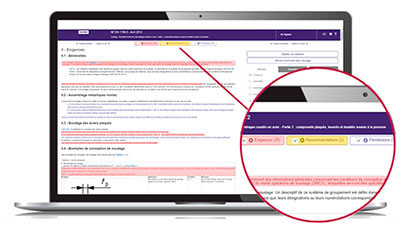
ZOOM ON ... the Requirements department

To comply with a standard, you need to quickly understand its issues in order to determine its impact on your activity.

The Requirements department helps you quickly locate within the normative text:

  • mandatory clauses to satisfy,
  • non-essential but useful clauses to know, such as permissions and recommendations.

The identification of these types of clauses is based on the document "ISO/IEC Directives, Part 2 - Principles and rules of structure and drafting of ISO documents" as well as on a constantly enriched list of verbal forms.

With Requirements, quickly access the main part of the normative text!


Need to identify, monitor and decipher standards?