
ISO/TR 17276:2014
ISO/TR 17276:2014

ISO/TR 17276:2014

May 2014
Technical report Current

Cosmetics - Analytical approach for screening and quantification methods for heavy metals in cosmetics

ISO/TR 17276:2014 introduces most common and typical analytical approaches for screening and quantification of heavy metals of general interest at both raw material and finished product level. ISO/TR 17276:2014 covers techniques from traditional colourimetric reaction, which can be executed without expensive instrument to the high-end one, like that of inductively coupled plasma-mass spectrometry (ICP-MS), which allows detection of elements at μg/kg level. Thus, ISO/TR 17276:2014 covers the advantages and disadvantages of each analytical technique so that a suitable approach can be chosen.

View the extract
Main informations

Collections

International ISO standards

Publication date

May 2014

Number of pages

17 p.

Reference

ISO/TR 17276:2014

ICS Codes

71.100.70   Cosmetics. Toiletries

Print number

1
Sumary
Cosmetics - Analytical approach for screening and quantification methods for heavy metals in cosmetics

ISO/TR 17276:2014 introduces most common and typical analytical approaches for screening and quantification of heavy metals of general interest at both raw material and finished product level. ISO/TR 17276:2014 covers techniques from traditional colourimetric reaction, which can be executed without expensive instrument to the high-end one, like that of inductively coupled plasma-mass spectrometry (ICP-MS), which allows detection of elements at μg/kg level. Thus, ISO/TR 17276:2014 covers the advantages and disadvantages of each analytical technique so that a suitable approach can be chosen.

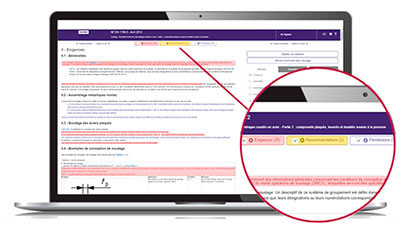
ZOOM ON ... the Requirements department

To comply with a standard, you need to quickly understand its issues in order to determine its impact on your activity.

The Requirements department helps you quickly locate within the normative text:

  • mandatory clauses to satisfy,
  • non-essential but useful clauses to know, such as permissions and recommendations.

The identification of these types of clauses is based on the document "ISO/IEC Directives, Part 2 - Principles and rules of structure and drafting of ISO documents" as well as on a constantly enriched list of verbal forms.

With Requirements, quickly access the main part of the normative text!


Need to identify, monitor and decipher standards?