

NF ISO 513
NF ISO 513

NF ISO 513

October 2004
Standard Cancelled

Classification and application of hard cutting materials for metal removal with defined cutting edges - Designation of the main groups and groups of application

ISO 513:2004 specifies the classification and application of hard cutting materials including hard metals (carbides), ceramics, diamond and boron nitride, for machining by chip removal, and establishes their application.It is not applicable for other uses (e.g., mining and other percussion tools, wire-drawing dies, tools operating by deformation of the metal, comparator contact tips, etc.).

Main informations

Collections

National standards and national normative documents

Publication date

October 2004

Number of pages

7 p.

Reference

NF ISO 513

ICS Codes

25.100.01   Cutting tools in general

Classification index

E66-304

Print number

1 - septembre 2004

International kinship

ISO 513:2004
Sumary
Classification and application of hard cutting materials for metal removal with defined cutting edges - Designation of the main groups and groups of application

ISO 513:2004 specifies the classification and application of hard cutting materials including hard metals (carbides), ceramics, diamond and boron nitride, for machining by chip removal, and establishes their application.

It is not applicable for other uses (e.g., mining and other percussion tools, wire-drawing dies, tools operating by deformation of the metal, comparator contact tips, etc.).

Replaced standards (1)
NF ISO 513
NF ISO 513
May 1992
Standard Cancelled
Application of hard cutting materials for machining by chip removal. Designation of the main groups of chip removal and groups of application.

Standard replaced by (1)
NF ISO 513
NF ISO 513
January 2013
Standard Current
Classification and application of hard cutting materials for metal removal with defined cutting edges — Designation of the main groups and groups of application

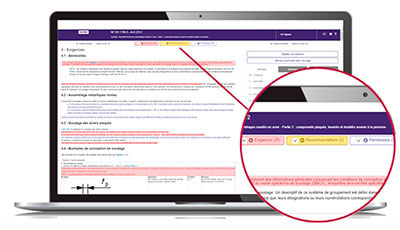
ZOOM ON ... the Requirements department

To comply with a standard, you need to quickly understand its issues in order to determine its impact on your activity.

The Requirements department helps you quickly locate within the normative text:

  • mandatory clauses to satisfy,
  • non-essential but useful clauses to know, such as permissions and recommendations.

The identification of these types of clauses is based on the document "ISO/IEC Directives, Part 2 - Principles and rules of structure and drafting of ISO documents" as well as on a constantly enriched list of verbal forms.

With Requirements, quickly access the main part of the normative text!


New: UPSELL service
Need to identify, monitor and decipher standards?